A lakeside community 
for the Surf Coast Shire.

Buckley Village acknowledges the Wadawurrung People, and the Gulidjan and Gadubanud Peoples of the Eastern Maar, their Elders and leaders, as the Traditional Owners of the skies, land, waters, and sea country across the municipality in which Buckley Village is located.

A lakeside community
for the Surf Coast Shire.

Lake Modewarre

Community update

Since 2022, we have engaged with the community to listen, share information, and better understand local perspectives. In April and May 2025 we formalised this engagement by partnering with Premier Strategy to host four Community Townhall Information Sessions across the Surf Coast Shire, and conduct a community survey.

Alongside strong attendance at townhalls and online engagement, more than 600 survey responses were received. Of those who responded to the survey, 61% indicated support for the proposal, 14% were neutral, 16% were opposed, and 9% did not provide a response.

Buckley Village was formally presented to the Surf Coast Shire by way of a Councillor Briefing. Following that briefing, Council formally advised that there is no support for consideration of a new town concept outside the established settlement framework. Council believes the answers to our housing supply and housing affordability challenges will be found in the Urban Futures Strategy, expressing confidence that projected housing demand can be accommodated within existing identified growth areas.

Council’s position is now clear.

Without support from Council, Buckley Village cannot proceed. After careful consideration, Ample has decided not to advance the project.

Large and complex planning challenges benefit from the testing of ideas. Thoughtful alternatives, even when not adopted, contribute to stronger strategic clarity and more resilient long-term outcomes. 

Although we are disappointed, we are grateful for the opportunity to participate in that broader conversation.

We thank the community members, professionals, councillors, and officers, who engaged constructively throughout the process.

Buckley Village was presented as a viable solution to the Surf Coast Shire’s housing affordability and housing supply challenges.

Delivered through an innovative not-for-profit model, this world first concept demonstrated how a new hinterland community could provide sustainable, diverse, and affordable housing while protecting distinctive regional and township character.

<p>A quarter of the Surf Coast Shire’s population is under 19, and without action these 9,524 children risk being forced to leave their own community.</p>
25%

A quarter of the Surf Coast Shire’s population is under 19, and without action these 9,524 children risk being forced to leave their own community.

A crisis we couldn’t ignore.

The Surf Coast Shire is a place of unique beauty, tight-knit communities, and an active lifestyle. Like many regions across Australia it faces a growing challenge – ensuring everyone who lives and works here can continue to find a place to call home. 

Since 2020 housing supply has dried up, prices have jumped 60%, rents are up 33%, and long-term rental vacancies have dropped below 1% as they convert to short-stay rentals or permanent occupancy. 

All major townships within the Surf Coast Shire, apart from Winchelsea, are materially constrained from accommodating further housing growth due to biodiversity, bushfire risk, flooding, and planning controls.

This leaves Winchelsea as the only long-term growth location.

In light of this concentration, we felt compelled to explore options that would complement the Shire’s housing strategy.

Buckley Village was our solution.

Affordable housing and diverse housing typology underpin the fabric of all communities.
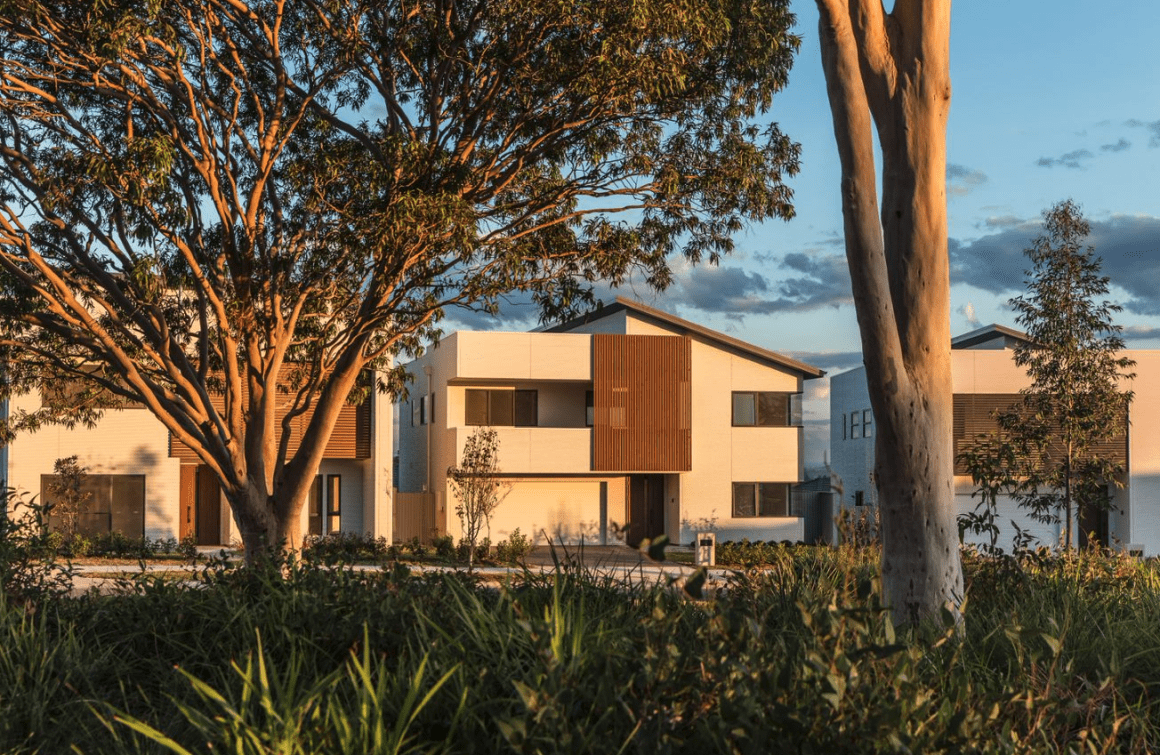
A quarter of the Surf Coast Shire’s population is under the age of 19. In the years ahead, thousands of young people will transition from the family home into the housing market, shaping the next chapter of our community.

As the Buckley Village journey evolved, we recognised that housing affordability is about more than accommodating the next generation. Access to diverse and affordable housing underpins workforce participation, tourism, small business vitality, and long-term economic sustainability.

Affordable and diverse housing enables the retention of key workers, casual and seasonal employees, students, single parents, downsizers, the elderly, and young families. These people form the fabric of our communities, our economy, and our culture. Buckley Village was developed with this broader intergenerational and community lens in mind.

<p>If we want balanced housing options for our Surf Coast Shire community then we need to move beyond the traditional way of thinking.<br><br>So, we did…</p>

If we want balanced housing options for our Surf Coast Shire community then we need to move beyond the traditional way of thinking.

So, we did…
Planning for housing growth in constrained municipalities is inherently complex.

Balancing housing supply and affordability while respecting township character and protecting environmental values presents a multifaceted challenge with no single solution.

Buckley Village emerged from a simple question:

How can growth be structured in a way that strengthens, rather than erodes, the qualities that our communities value?

Affordability and housing diversity

Affordability is often framed as a simple supply equation. In practice, it is shaped by underlying land value, profit driven delivery models, and slow or fragmented infrastructure delivery.

Buckley Village explored whether a not-for-profit framework could stabilise these variables and embed housing affordability and diversity objectives at inception, rather than hoping that market driven outcomes may moderate pricing and dwelling typology.

Character

During Phase 1 of the Urban Futures Strategy community engagement, it was reported that Surf Coast Shire residents expressed a desire to preserve and enhance existing township character, as growth occurs.

Buckley Village sought to test whether strong design governance, landscape integration, and staged delivery could be mandated from the beginning, ensuring that built form and environmental outcomes were not reactive or left to chance, but embedded.

The Broader Question

At its core, Buckley Village was an exploration of the structural challenges associated with housing supply in our regional communities.

It sought to examine whether affordability, character, and environmental stewardship could be prioritised through a differently structured growth model — one designed to align long-term community outcomes with the way growth is planned and governed from the outset.

<p>Delivered through an innovative Not-For-Profit model, focused on outcome over profit, Buckley Village was proposed as a new community for the Surf Coast Shire.</p>

Delivered through an innovative Not-For-Profit model, focused on outcome over profit, Buckley Village was proposed as a new community for the Surf Coast Shire.

Buckley Village

Buckley Village was conceived as a not-for-profit growth model focused on long-term community outcomes rather than short-term financial returns.

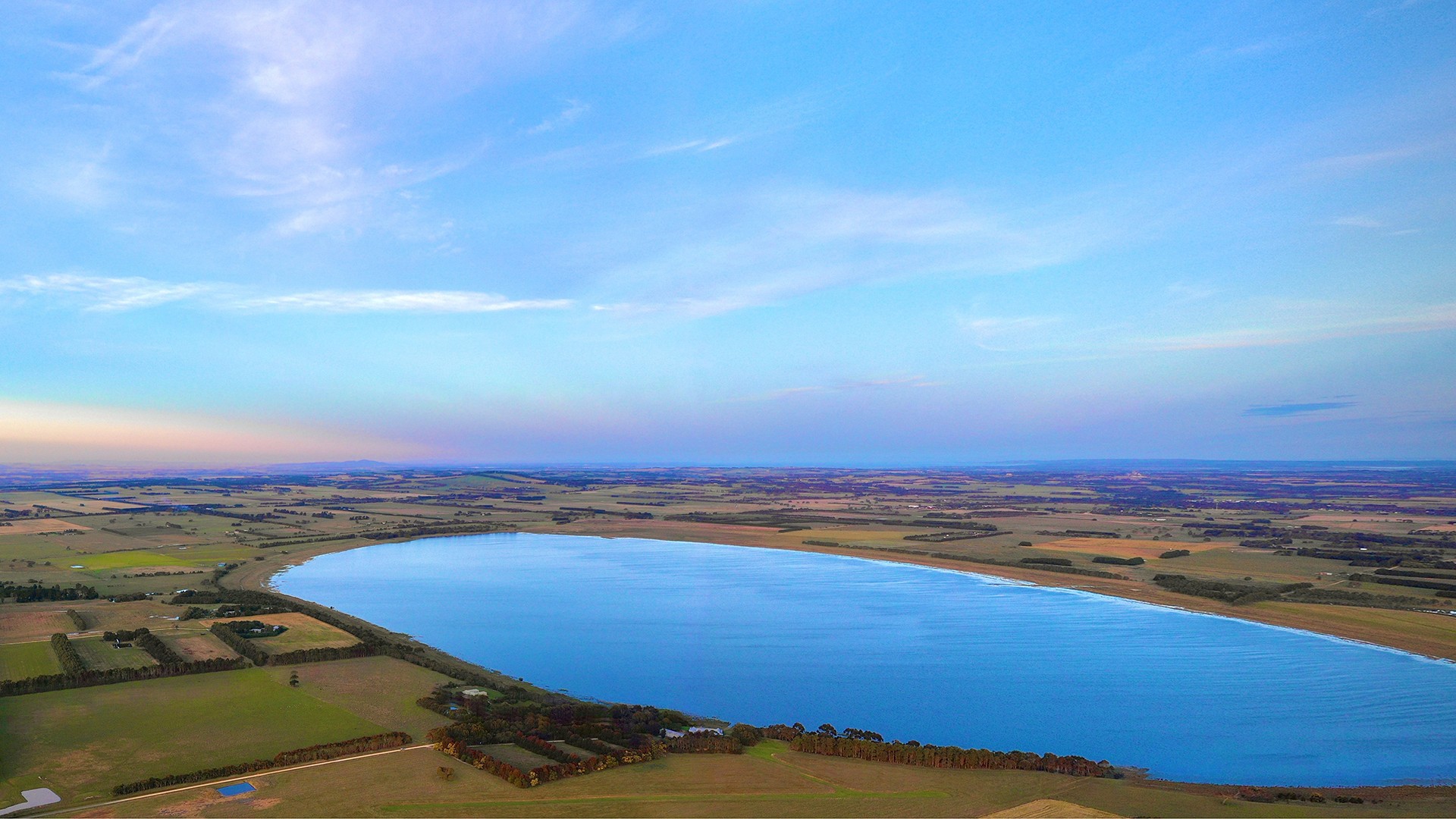
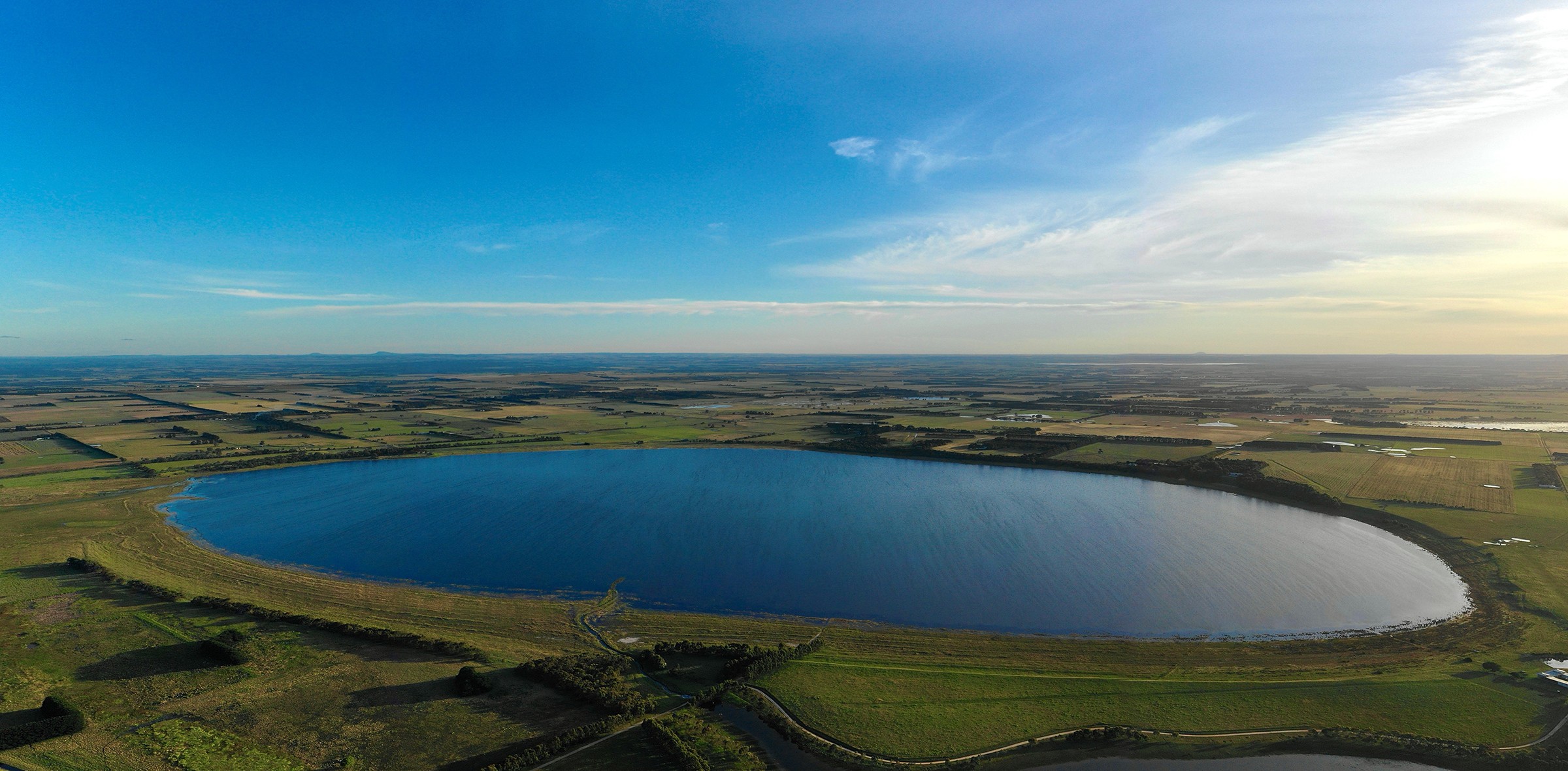
Located on the banks of Lake Modewarre in the Surf Coast hinterland, 20 minutes west of Geelong, the concept explored how a different delivery approach could support housing diversity and affordability, protect regional character, and prioritise environmental outcomes at scale.

The Not-For-Profit benefit

The model drew inspiration from established not-for-profit housing initiatives, adapted to a township-scale setting.

Under the proposed structure:

  • Project profits get reinvested directly into community initiatives

  • An independent community board would oversee affordability commitments

  • Design, environmental, and water quality improvements would be embedded from the beginning

  • Social infrastructure and renewable energy initiatives would be delivered beyond standard minimum requirements

The intention was to show how the way a project is structured can shape long-term housing and environmental outcomes.

Key Principles Explored

Buckley Village was designed to:

  • Align with the Surf Coast Shire’s guiding principles and strategic objectives

  • Deliver a genuine mix of housing typology to support different life stages 

  • Alleviate growth pressure to existing townships

  • Embed strong design controls to protect hinterland character

  • Allocate approximately 30% of land to open space and biodiversity restoration

  • Be fully self-funded

Rather than rely solely on market forces, the concept tested whether setting clear rules and community oversight from the outset could lead to stronger long-term outcomes.

For a deeper overview of the concept and its design framework, the Buckley Village Placebook remains available.

Buckley Village is underpinned by six key principles

Group

Affordability

Buckley Village’s not-for-profit model was designed to address housing affordability directly by offering discounted land to support a diverse range of demographics, including various age groups, permanent and temporary residents, income levels, cultural backgrounds ,and household sizes.

Group 2

Employment

Alongside proposed waterside amenities, essential community assets such as childcare, healthcare, education, retail and sporting precincts were planned within a vibrant modern town centre. The concept anticipated creating year-round employment opportunities, with long-term potential for connection via the re-establishment of the Buckley train station.

house

Character

Buckley Village was intended to preserve the region’s distinctive hinterland character through strict planning and design guidelines, guiding outcomes such as dwelling design, landscaping and setbacks. A diverse mix of accommodation typologies was proposed to ensure the community could cater to a broad range of residents.

lake

Lake Activation

The proposal included restoration of Lake Modewarre’s health, its feed-in waterways and Aboriginal cultural heritage. The concept envisioned revitalising the lake as a community destination, featuring a boat ramp, jetty and a landmark hotel with lake views, supported by local hospitality venues and waterside amenities designed to enhance tourism, local business activity and community pride.

Group 3

Key Worker Accommodation

Affordable housing was identified as critical for key workers, including healthcare professionals, emergency services personnel and seasonal workers essential to the tourism economy, particularly within a growing Surf Coast Shire population.

Group 4

Environmentally Sustainable Development

Buckley Village was located on lower-quality, non-agricultural hobby farmland with low bushfire and no flood risk. The proposal was underpinned by environmentally sustainable development principles, intended to support long-term ecological health while accommodating future housing needs.

Frequently Asked Questions

The price of housing across the Surf Coast Shire had reached prohibitive levels and housing options were diminishing; families and workers were being priced out, small businesses were struggling, and the next generation were leaving to pursue work elsewhere. Collectively, this was called the housing crisis. The traditional housing supply model would not address the housing crisis, but Buckley Village could.
A commitment was made to deliver Buckley Village using a Not For Profit model so community outcomes could be prioritised over development profits. Development ready land at 2024 pricing was trading at a cost base of around $130,000 per residential allotment. Buckley Village was secured at a fraction of this price, meaning more than $500 million in surplus development proceeds could be deployed to tackle the region’s housing crisis through discounted land, social and crisis housing, and build to rent accommodation for key workers.
Formerly called Laketown, Buckley Village was positioned on the banks of Lake Modewarre, adjacent to the Princes Highway and the Geelong–Warrnambool train line, 20 minutes west of Geelong, on Wadawurrung land.
This was not solely our decision. Sufficient land had been secured to create a village township of around 3,000 homes, supported by a retail high street, education facilities, healthcare, a jobs precinct, and 30% parks and open space. There was a formal planning process that Buckley Village would go through to determine its final make up, including an extensive community engagement phase. The size of Buckley Village would ultimately be a collective decision between the region’s key stakeholders.
Yes, we should. The 2021 Moriac Structure Plan, prepared by Surf Coast Shire, included the Woodward Clyde Soil Quality Index, which identified the Buckley Village area as “average” (3 out of 5 for soil quality), lower than much of the surrounding region. The target area was also rural lifestyle allotments rather than broad acre farming land, with remnant biodiversity assessed as low or non existent. Buckley Village was to set aside 30% of the land area for ecological improvements and biodiversity enhancement.
The new community was to be designed to mirror the Surf Coast Hinterland’s regional character that we know and love. Good urban design would control estate presentation, and mandatory design guidelines would shape private built form and landscaping. These elements were intended to avoid the urban style development common in the growth areas of Melbourne and Geelong. There is nothing inherently wrong with urban style development, but it was not reflective of the Surf Coast Hinterland character.
Buckley Village township was to be self funded, with financial partners receiving an appropriate return. Ample was to receive an industry standard management fee for overseeing approvals and delivery of the project, no different to any other consultant engaged on the project. None of these stakeholders would have ownership in the project or receive profit distributions, as the assets were to be held for the benefit of the community under a Not For Profit structure. A board of community members would be elected to oversee the distribution of surplus development proceeds in line with the constitution.
Winchelsea did have existing infrastructure, and Council had been clear that Winchelsea would play a role in accommodating growth within the Shire. However, Winchelsea’s infrastructure was insufficient to support even moderate growth without significant upgrades. For example, Barwon Water had advised that sewerage and potable water services in Winchelsea were already at capacity, and any further growth would require a complete rebuild of sewerage and water services. The region needed to plan for significant long term growth. While Winchelsea was a strong location to accommodate some of that growth, it could not carry the full burden alone.
Advocating for lower growth was certainly an option, and it was considered at length. However, population growth was largely driven by migration, which was determined at a Federal Government level and influenced by national labour force demands. The reality of Australia’s situation was that the working age population, typically defined as people aged 15 to 60, needed to grow to support an ageing population and sustain the country’s economic and social systems. Reduced migration would have meant fewer workers, with broader national consequences that extended beyond housing affordability. Importantly, around 25% of the Surf Coast Shire population was under the age of 19, and there was a responsibility to create opportunities for some of these 9,526 children to remain living within their communities. The challenge was complex and multifaceted, and not as simple as slowing population growth alone.
Growth undeniably presented environmental challenges, but there was also a responsibility to deliver homes for current and future generations. The focus was on ensuring that growth occurred sustainably, and Buckley Village was positioned as a model to help achieve that balance.
The contractual agreements required that the land be purchased and held by a Not For Profit entity, ensuring the project structure aligned with its stated community focused objectives.
Lake Modewarre had a long and rich history. Historically, it had been a vibrant hub of biodiversity and recreational activity, featuring an active fishing club and an operational boat ramp. However, in more recent times, the lake had fallen into neglect. During the 1990s, community based action programs emerged to address these issues, aiming to restore damaged environments and raise awareness about the challenges and potential solutions. Buckley Village was to work alongside existing stakeholders to further and support these restoration efforts.
In reality, Buckley was not entirely new. Buckley, once known as Laketown, had existed in a European context since the mid 1800s, with a school, a train station, two churches, tennis courts, and even a pub. Prior to European settlement, Buckley had also played an important locational role for the Wadawurrung community. Across the Surf Coast Shire there were many townships, and historically growth had been distributed among them. However, eight of those towns had become heavily constrained and were no longer able to accommodate further growth. The reimagining of Buckley was intended to help fill that gap.
Buckley Village – Community Engagement Update

A thriving community depends on an adequate supply of housing that is both affordable and diverse. When people at different life stages and income levels can access housing locally, communities retain their workforce, support local enterprise, and sustain long-term economic and social resilience.

Buckley Village was presented as a viable solution to the Surf Coast Shire’s housing crisis, and we made a commitment that we will not purse Buckley Village without community input and support.

Since 2022, we have engaged with the Surf Coast Shire community through ongoing discussions and information sharing. This engagement reached its peak in April and May 2025 with a series of well-attended Community Townhall Information Sessions, more than 600 survey responses, and the publication of the Buckley Village Community Engagement Report in August 2025.

BUCKLEY VILLAGE COMMUNITY ENGAGEMENT REPORT

View Report Here

Key findings show that overall, 61% of survey respondents support Buckley Village, 14% were neutral, 16% were opposed, and 9% did not provide a response to this question.

While the Buckley Village proposal will not proceed in the Surf Coast context, the underlying not-for-profit delivery model remains available to other regions seeking innovative approaches to housing supply, environmental restoration, and structured growth governance.

Register

Success!

Oops! There has been an error.